
Phenological Phacts and Photos with Carl Martland May — 2026
“Now That April’s There”
Phenology – “a branch of science concerned with the relationship between climate and periodic biological phenomena (as the migration of birds or the flowering and fruiting of plants).”
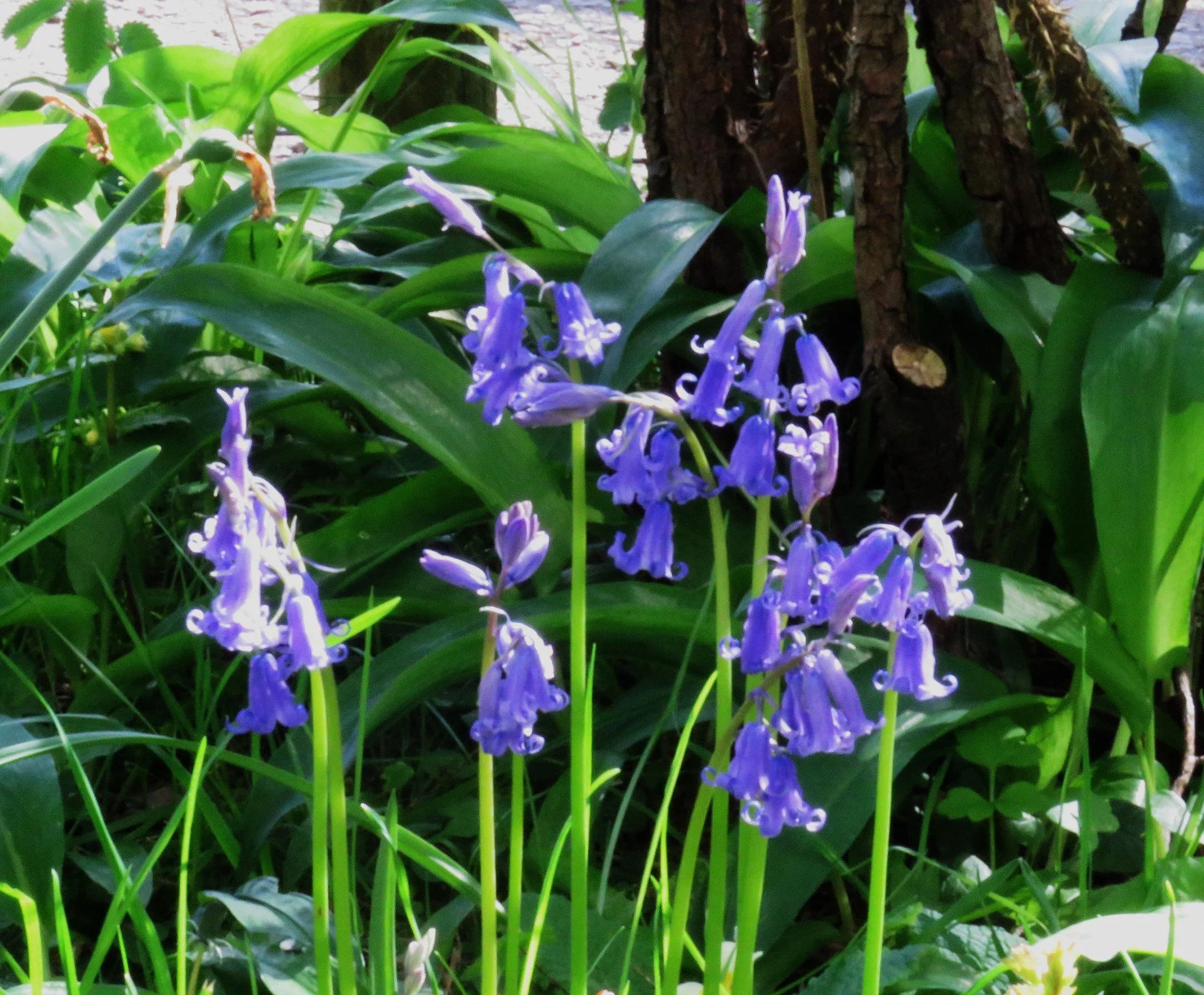
“O, to be in England”
Phenological phacts cannot be ignored in April. In the North Country, we think about ice out, the snow melting, and taking in the bird feeders before the bears awaken from their winter slumber. We may get some warm sunny days, but often they only help to melt the snow. Daffodils and tulips? No way. Even crocuses are unlikely until the end of the month. Leaves on the trees? None, although we do see some pussy willows by the pond. When April comes to the North Country, I can count on seeing more and more birds, but it will likely be May before we come across apple blossoms and spring green tints on the hillsides.
April 9-10, 2018 On the 9th, 26 degrees at 8pm and no woodcock. On the 10th, it warmed up to 38 degrees during the day, enough for the bear that whacked our feeder to think that it was spring.
April 11, 2019 After two inches of snow and three nights with lows about 28 degrees, the pond is iced all over again.
On a dreary, cold, drizzly day in April, a line from a poem often comes to my mind: “O, to be in England, now that April’s there.” Well, since I began working on this essay, Nancy and I actually have been in England. After a few days in Manchester, we stayed in a small cottage in the Lake District that has views across a sheepfold with the rugged slopes of Loughrigg Fell looming in the distance.
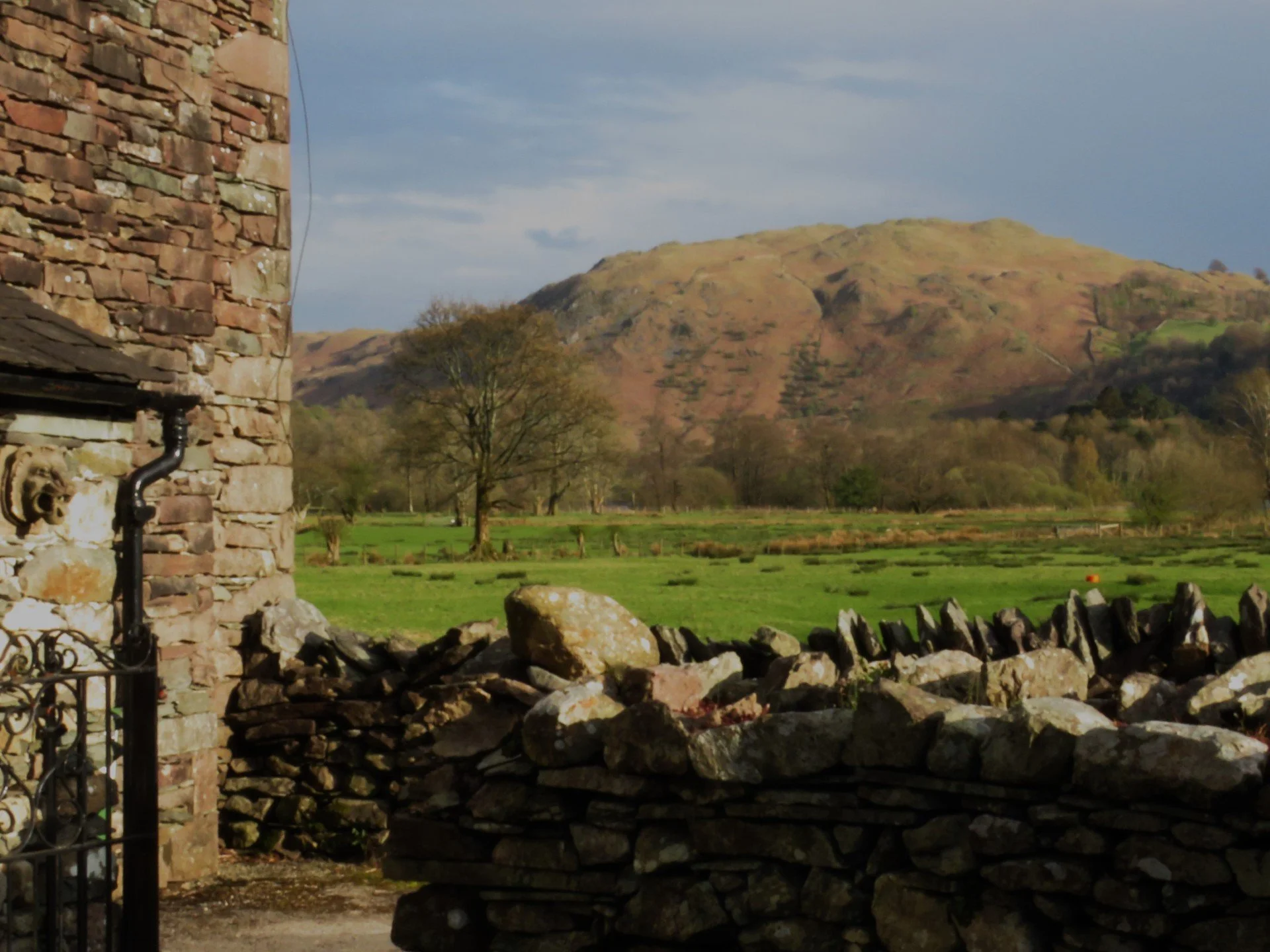
April 13, 2026 - The view of Loughrigg Fell from the cottage we rented in Grasmere
And it certainly has been springtime in the Lake District! People walk around in shorts, the grass is green, lambs frolic in the nearby fields, and magnolia trees are in full bloom.
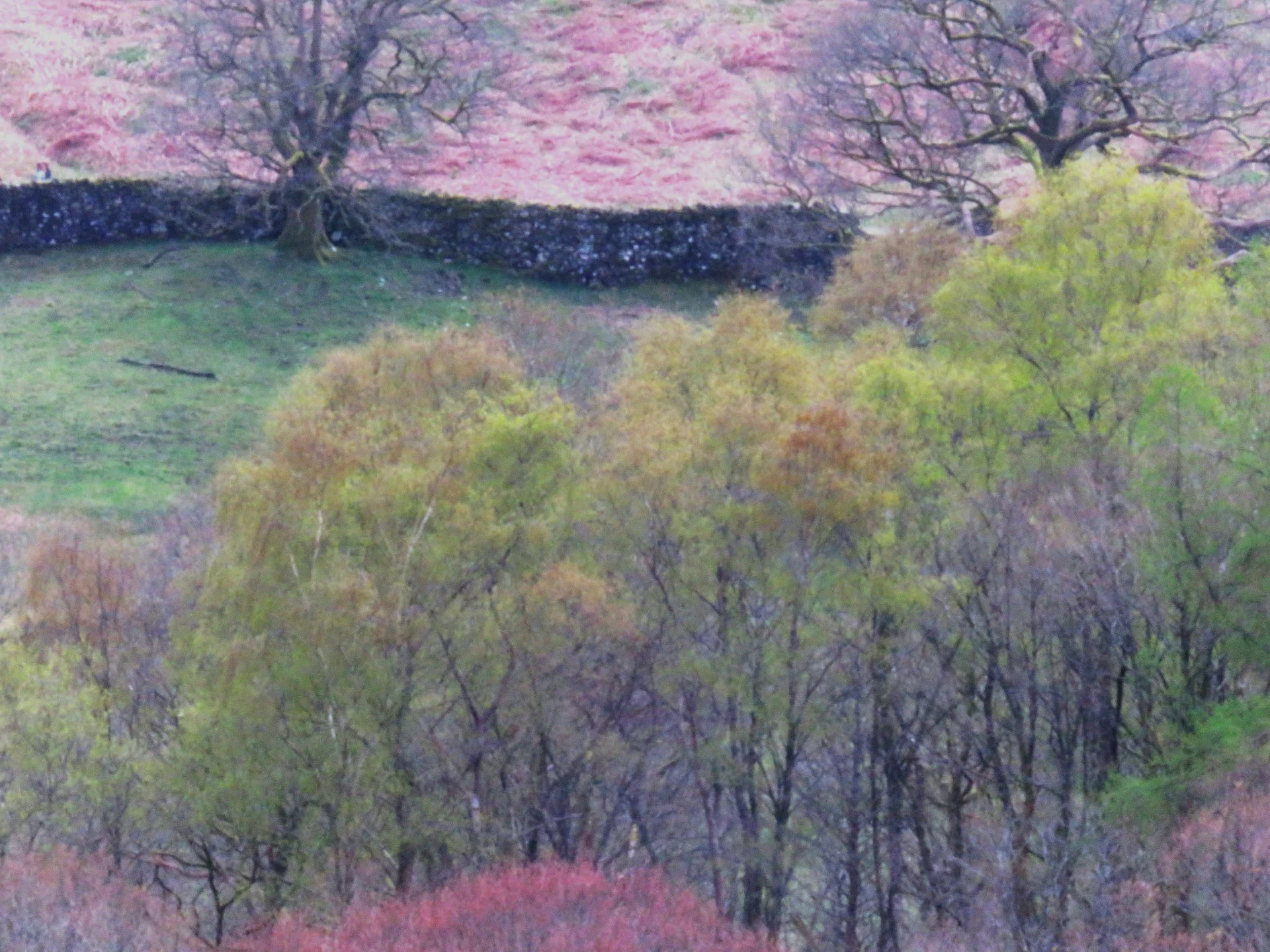
April 16, 2026: Millions of tiny leaves create impressionist landscapes on every hillside in the Lake District.
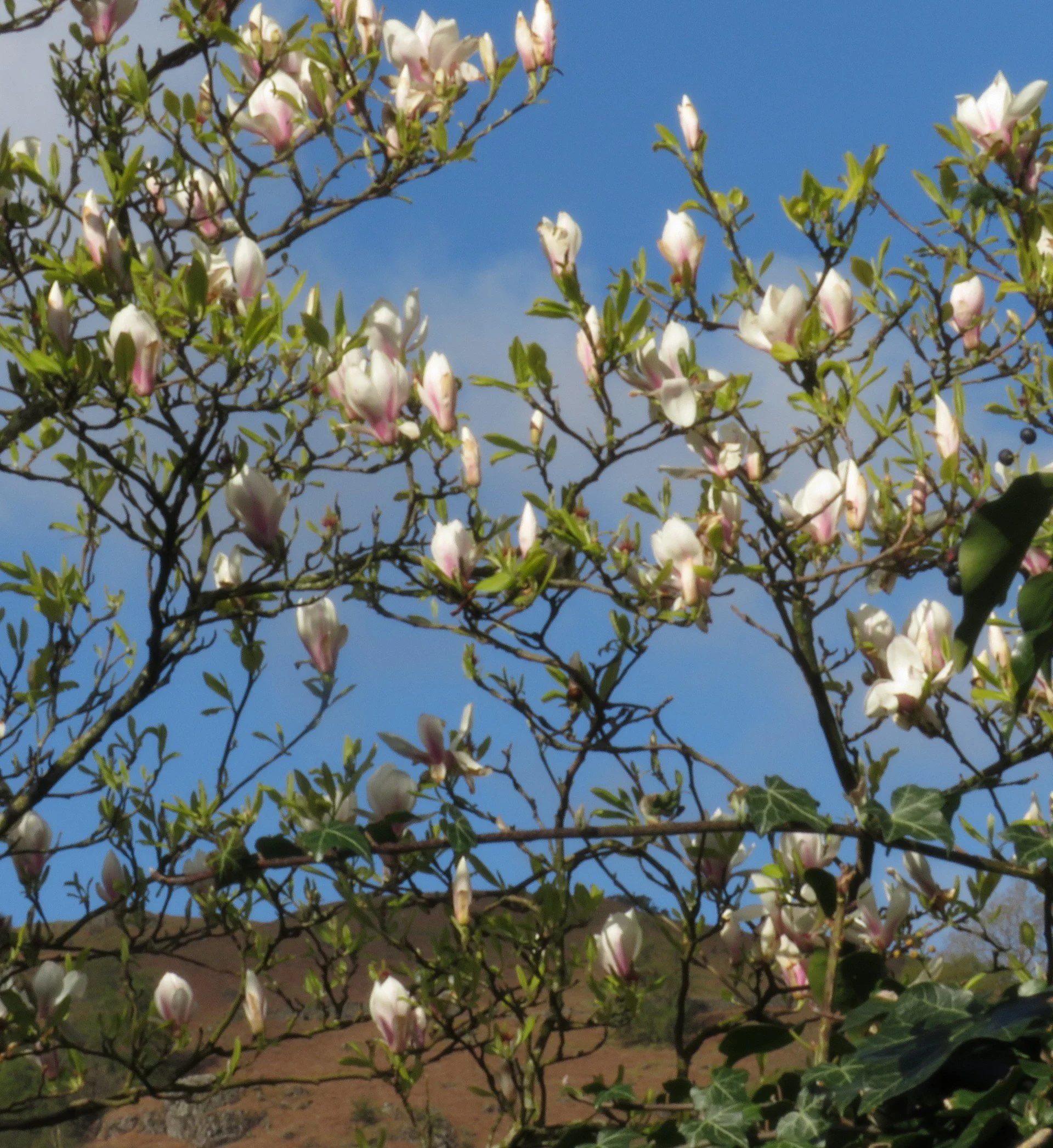
April 19, 2026: Magnolia blossoms at our front door in Grasmere attract robins and other little English birds.
The Lake District is much further north than Sugar Hill, a geographical disadvantage that is more than offset by the warmth of the Gulf Stream. And spring is just as advanced this April as Robert Browning remembered when, during a sojourn in Italy, he began “Home Thoughts, From Abroad” with the oft-remembered lines:
O, to be in England,
Now that April’s there,
And whoever wakes in England
Sees, some morning, unaware,
That the lowest boughs and the brushwood sheaf
Round the elm-tree bole are in tiny leaf,
While the chaffinch sings on the orchard bough
In England – now!
The fruit trees, magnolias and rhododendrons are in full bloom; the maples and birches are budding; and the chaffinch indeed is singing from the nearby trees. We awake, sleepy and perhaps forgetting that we are in England, but then we look out over lambs gamboling about in dark green fields to see spring-greens emerging in the forests and over the hillsides. Yes, April is a fine time to be in England!
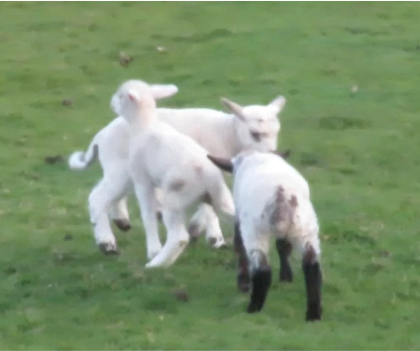
April 23, 2026: Lambs leave their mothers to run and jump in the meadow, sometimes a half dozen or more join in the fun.
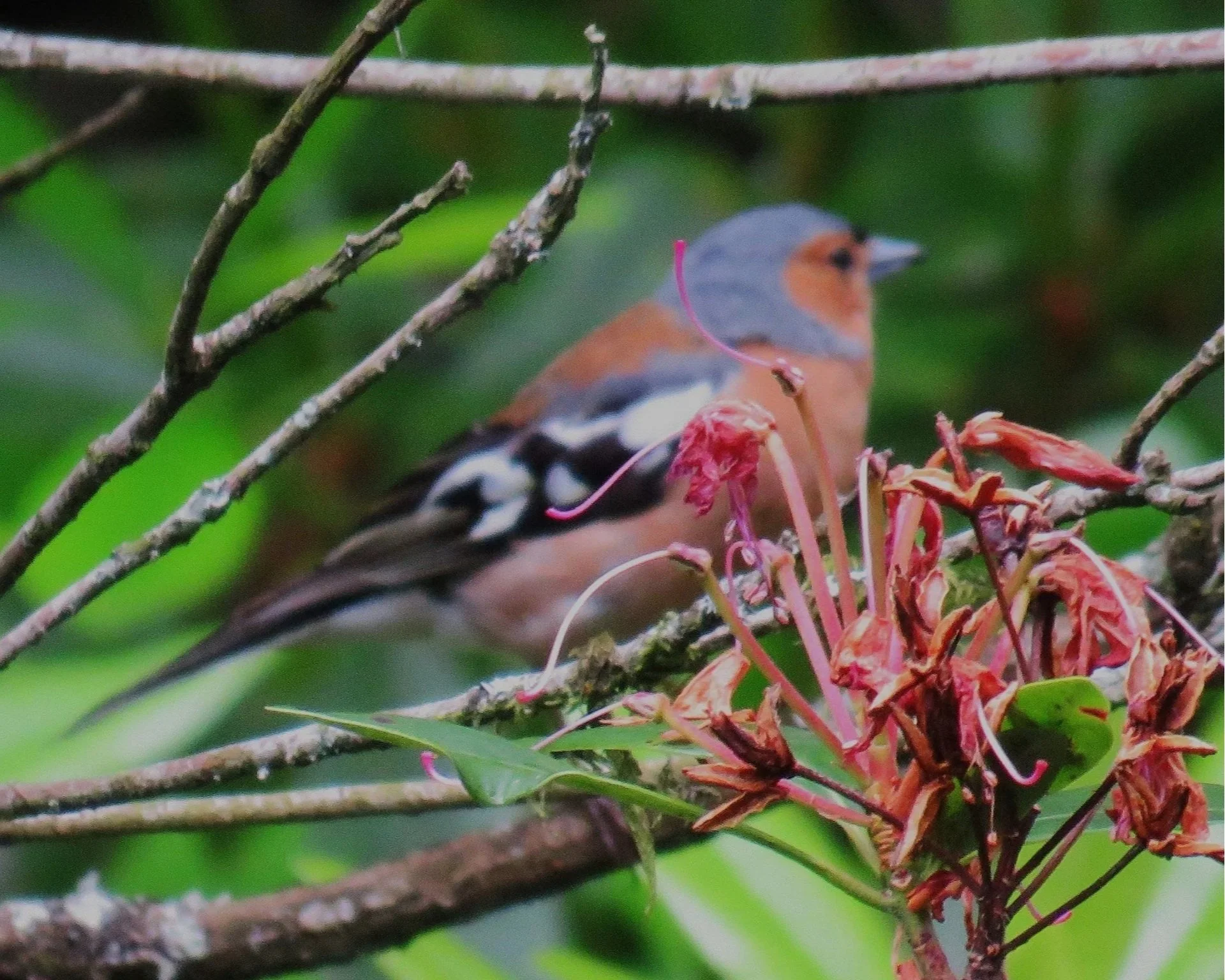
July 4, 2015: A chaffinch was singing just outside our cabin in Grasmere.
Spring in England is nearly a month ahead of spring in the North Country. Ducks, geese, and swans have been in every pond that we’ve visited, sometimes in very large numbers. Back in Sugar Hill at this time of the year, we’re still seeing snow and waiting for the ice to melt. It might not be until early May that we’re certain that the ducks and geese are here to stay.
April 15, 2015: The pond remains completely frozen, but the surface is splotchy snow in many places. The ground is 90% bare, crushed by the snow that only recently melted.
April 19, 2018: Two inches of snow!
And again this year, as documented in an email from our neighbor:
April 20, 2026: Greetings from the great white north! All’s well here … we have 1.75” of snow and counting.
Orchard Boughs
Meanwhile, back in Old England, the gardens and orchards are full of color. When we walked along the byways in Grasmere, we were amazed at the gardens, the blossoming trees, and the extravagant colors of some of the foliage.
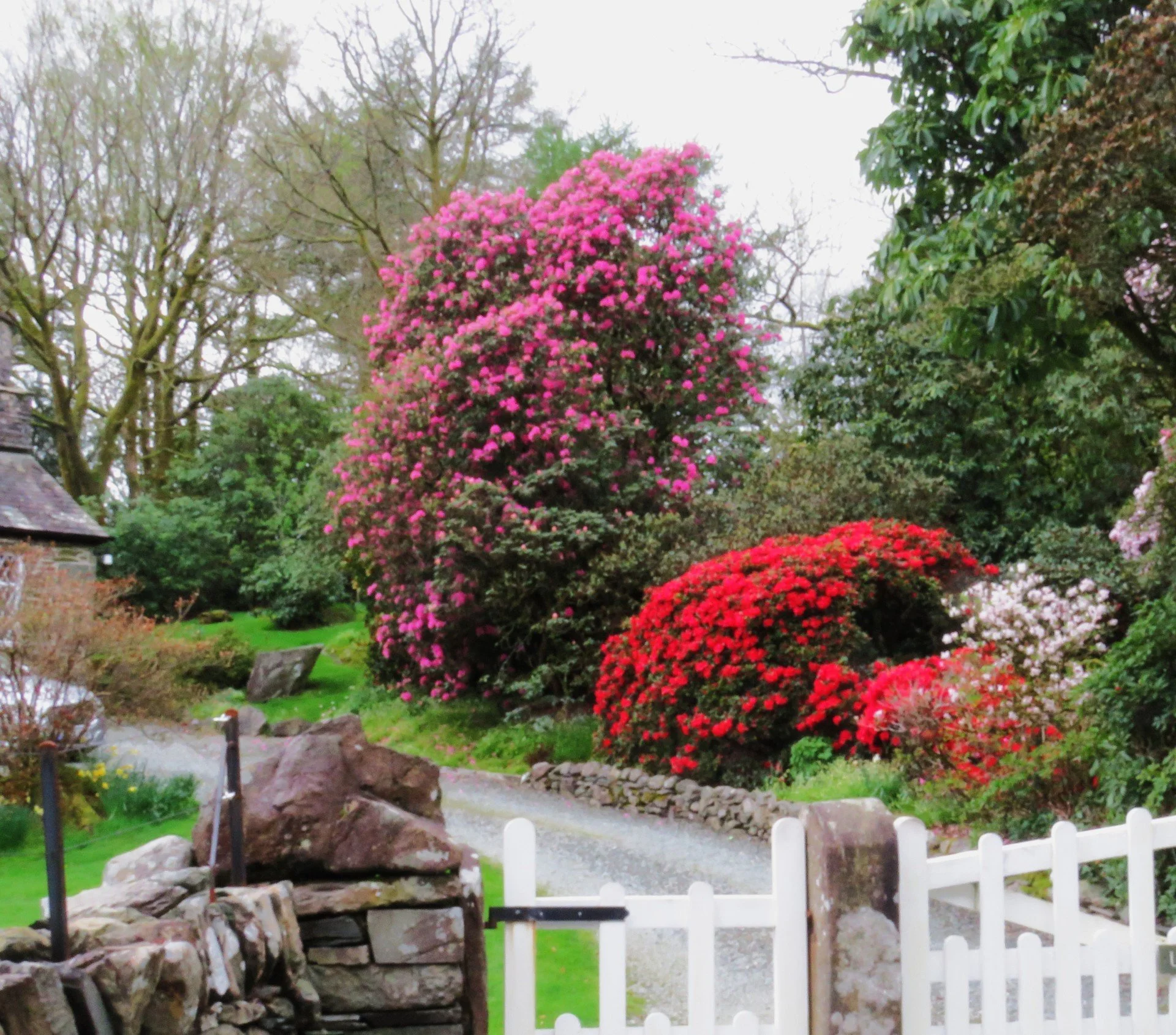
April 16, 2026: Flowering shrubs along the road in Rydal in the Lake District.
If we were back in Sugar Hill, we’d be happy to see some leaves on the willows, but we would have to wait until May to see the first blossoms on the fruit trees:
April 26-30, 2009: Willows have leaves and catkins, and rhubarb leaves were out on the 26th. By the 28th, there were tiny leaves on the apple trees and the meadowsweet, giving some appearance of green to the Upper Meadow.
May 5, 2010: Bluets are out. A few apple trees have blossoms. Violets were blooming on the 6th.
May 5, 2017: First cherry blossoms.
Wildlife in April
The animals that go south or hibernate for the winter return or emerge as their world warms up in the spring. I’ve only been in England in April a couple of times, so I only have a few photos documenting when wildlife wakes up over there. Nevertheless, a couple of examples will suffice to show why it’s nice to be in England, “now that April’s there.”
When we visited the Ventnor Botanical Garden last April 10th, I was happy to take a photo of a large turtle basking in the sun on a beam crossing a little frog pond.
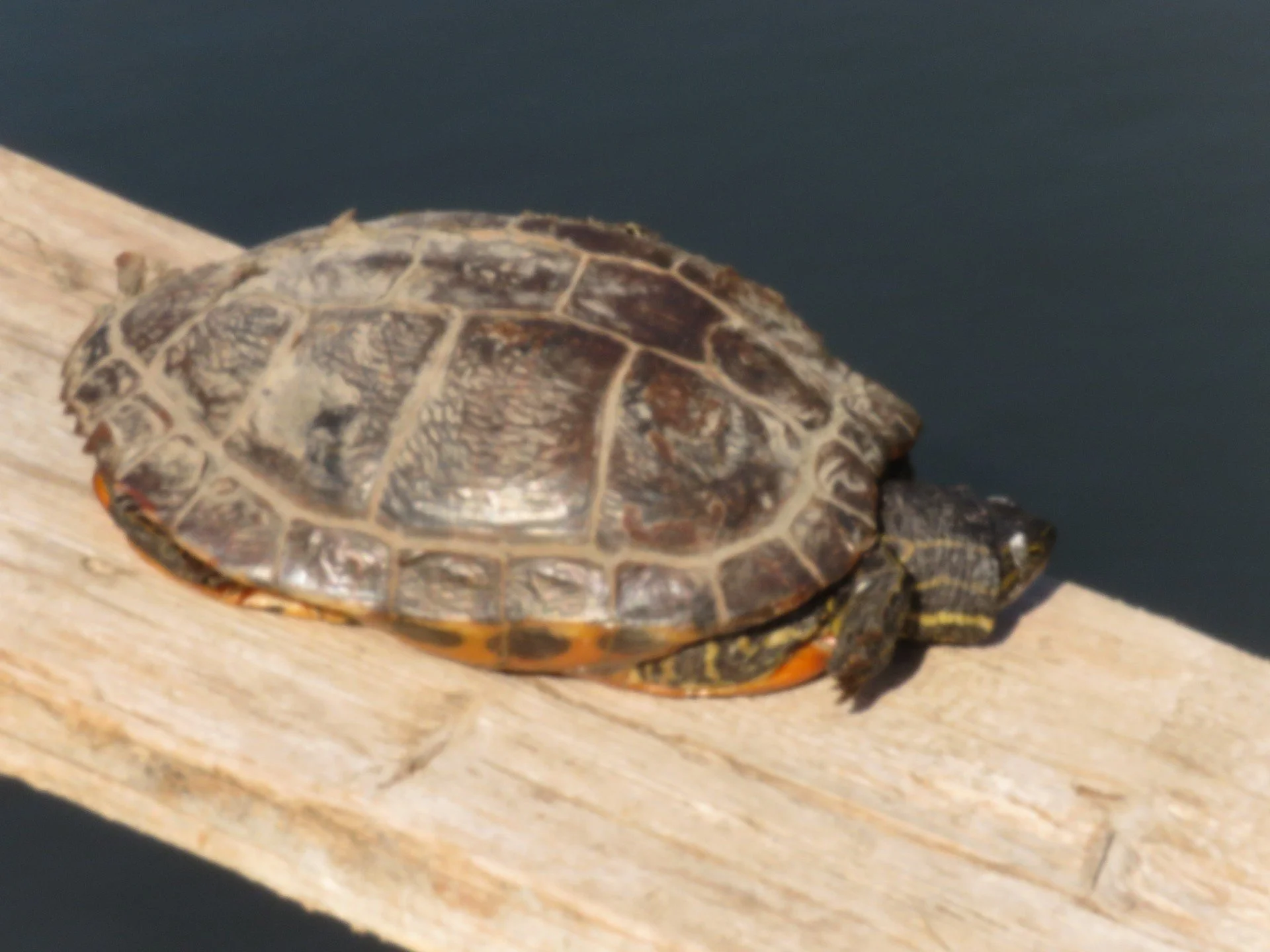
April 10, 2025: A turtle basking in the sun at Ventnor Botanical Garden on the Isle of Wight in Southern England.
I don’t know when that turtle first awakened from its long winter rest, but I do know that it was sitting there nearly a week earlier than I’ve ever seen any turtles at our pond. My earliest observations of turtles at our pond were both in mid-April:
April 14, 2023: 75 degrees, 1130am. The first turtle of the year sat on Rock Island; later, three were at our end of the pond.
April 16-17, 2024: First painted turtle was by Kenerson’s dock on the 16th. The next day, three six-inch turtles were at the Point.
Butterflies are already flying around the English gardens, parks and hillsides by early April. Last year I took a photo of one on the 9th, and this year, I took a photo of what looks like a painted lady on the 13th.
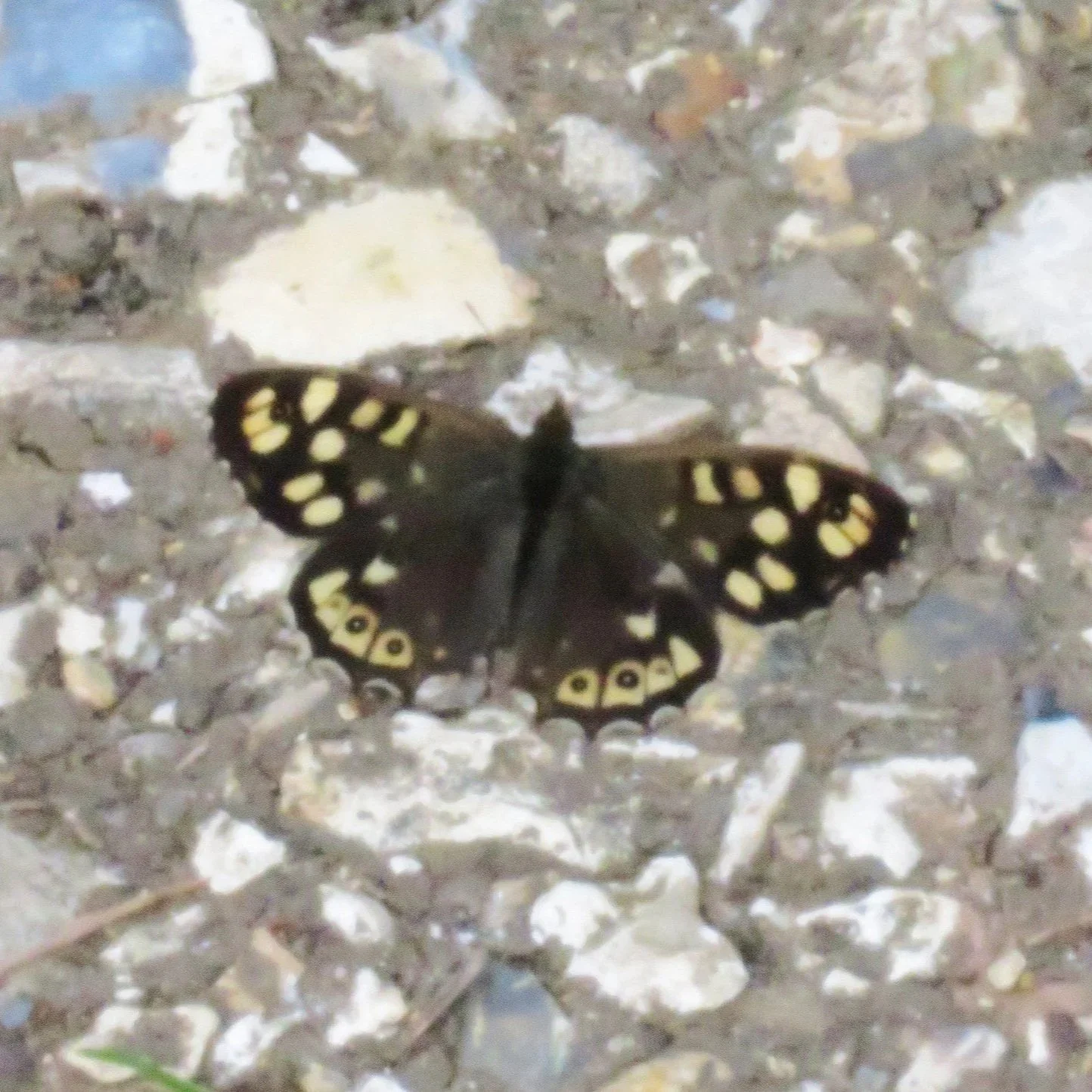
April 9, 2025: A large butterfly landed on the walkway in Titchfield Nature Preserve, Portsmouth, England.
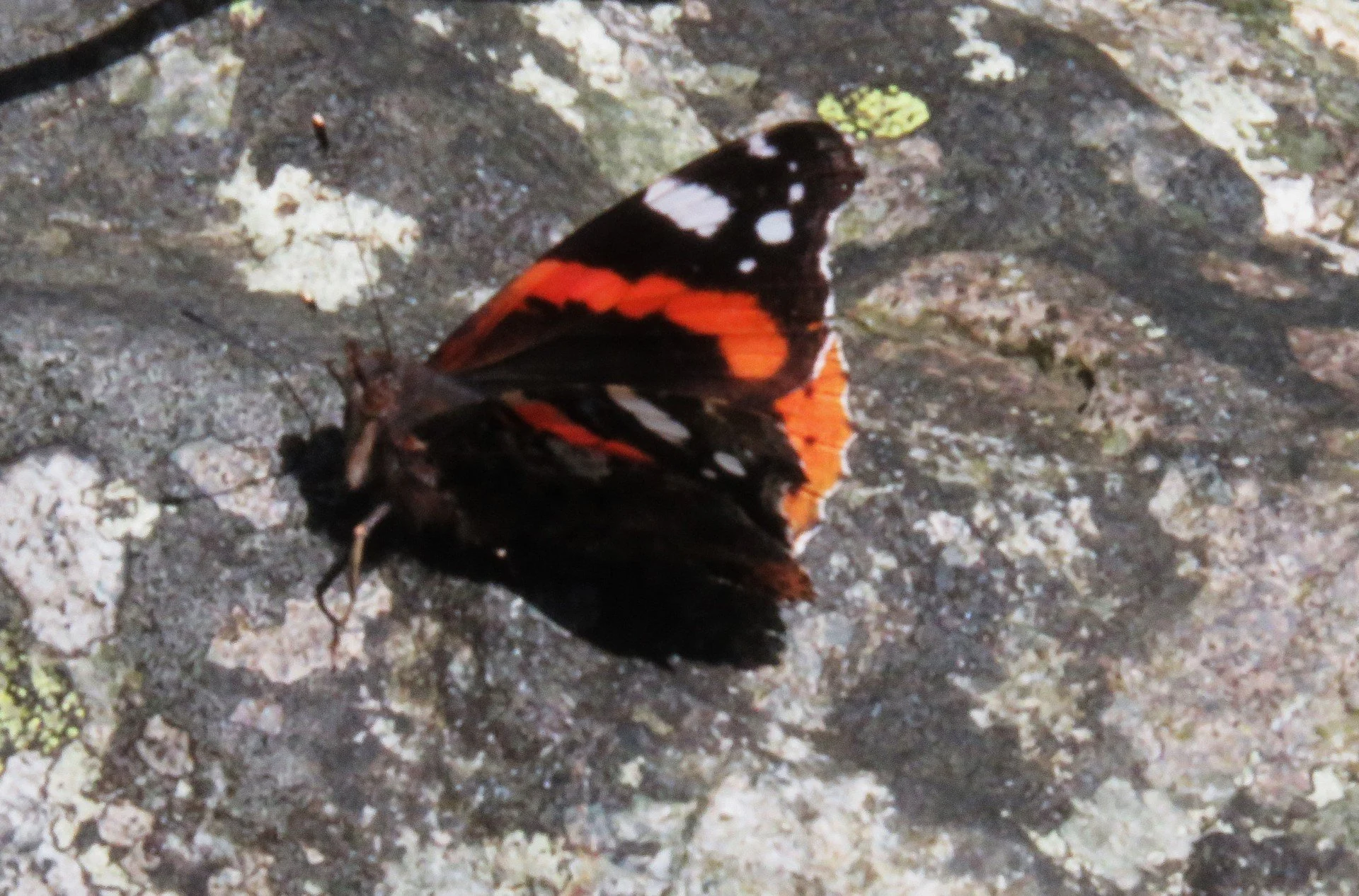
April 13,2026: A butterfly posed on a stone wall near Buttermere. It looks very similar to the painted ladies that we commonly see in summer in Sugar Hill.
I’ve also seen many whites and sulphurs that, like their cousins in the North Country, don’t deign to pose for a photo. April 25th is the earliest I’ve ever seen or photographed a butterfly in Sugar Hill:
April 25, 2009: 75 degrees, clear. I went down to the Lower 40 about 3pm. There were two mallard males in Jane’s Pond; I took a picture of a spring azure.
Richmond-on-Thames
On the 24th, we traveled on one bus, two trains, two London subway lines, and one taxi to reach Richmond-on-Thames, a delightful neighborhood in the southwest of London. World famous as the location of Kew Gardens and Richmond Park, it will be familiar to some readers as the home of Ted Lasso’s football team. Kew Garden is one of the most magnificent gardens in the world, surpassed in our experience only by Butchart Gardens north of Victoria in British Columbia. Even though we anticipated seeing wonderful colors, we were pleasantly surprised at what we encountered just as we entered the park:
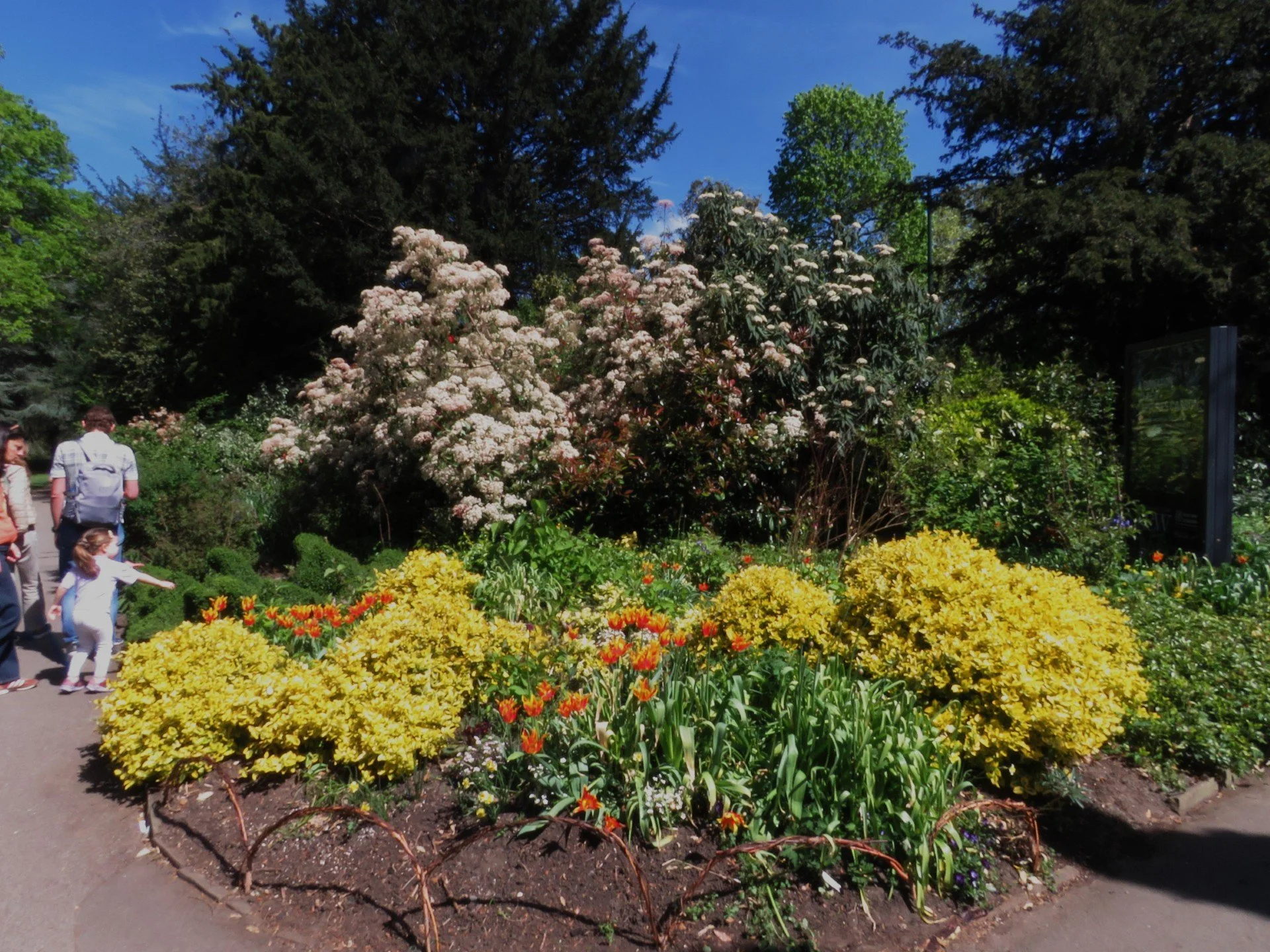
April 25, 2026: An astonishing display of flowers and shrubs at the entrance to Kew Gardens thrilled us almost as much as it thrilled the two children, who may never before have seen such marvelous tulips!
Another highlight was wandering along grassy trails lined with bluebells through a glen of redwoods and giant sequoias.
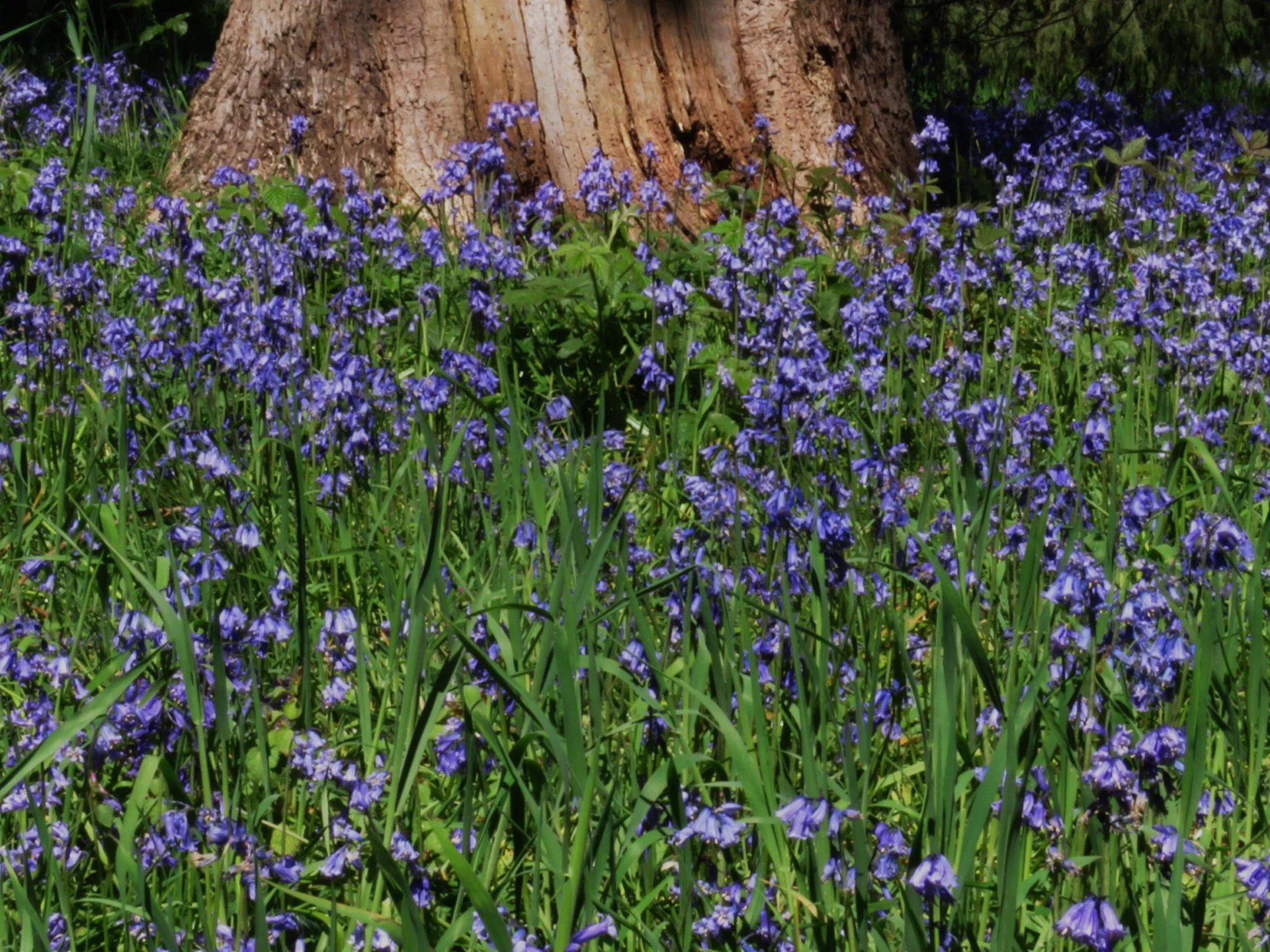
April 25,2026: Bluebells lined the paths through the woodland sections of Kew Gardens.
The next day we joined thousands of others walking along the Thames, enjoying the flowerbeds, the street musicians, the birds, and the extravagance of a sunny April day in England.
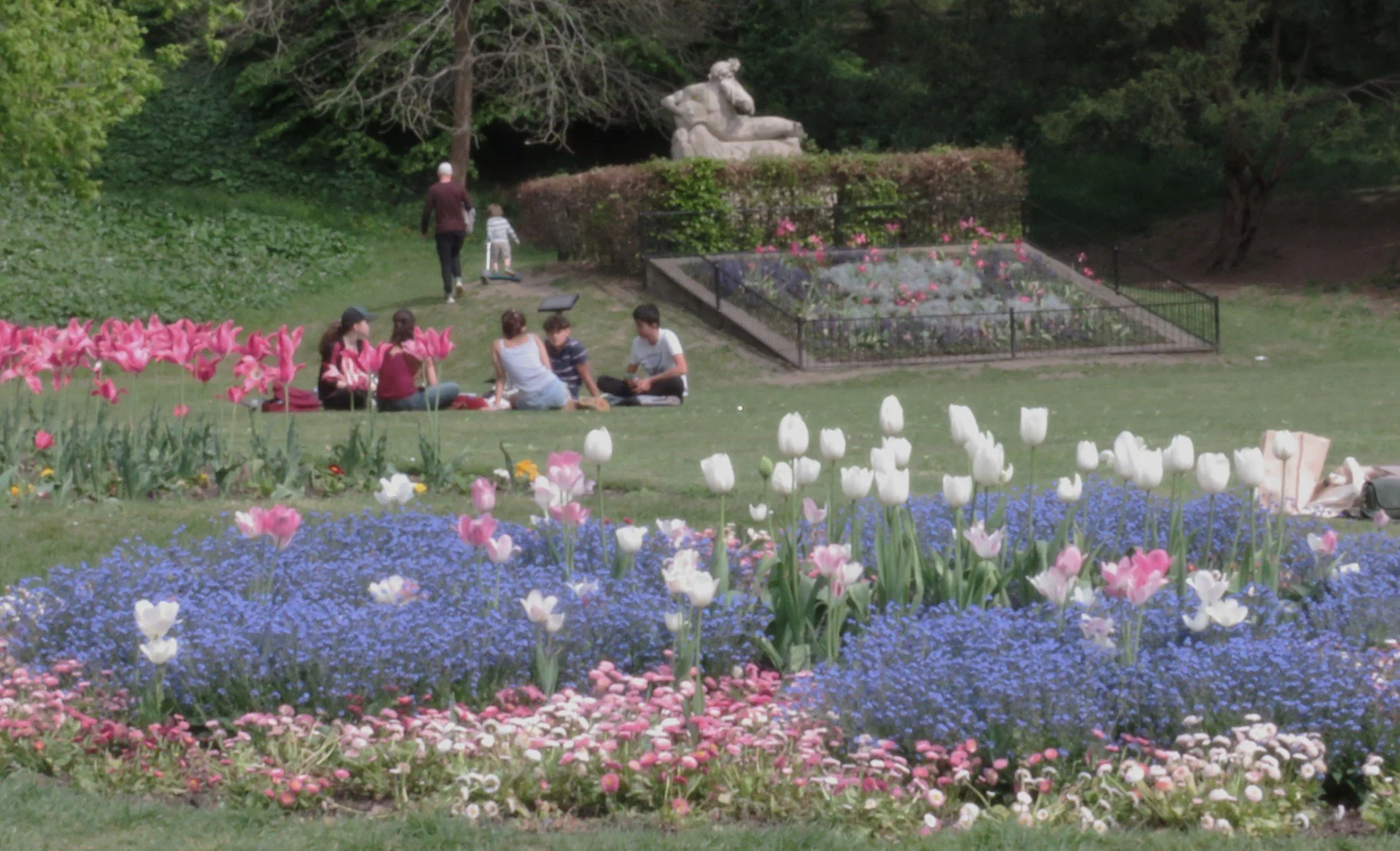
As Browning said so succinctly:
In England – now!
Photos and text by Carl D. Martland, founding member of ACT, long-time resident of Sugar Hill, and author of Sugar Hill Days: What’s Happening in the Fields, Wetlands, and Forests of a Small New Hampshire Town on the Western Edge of the White Mountain. Quotations from his book and his journals indicate the dates of and the situations depicted in the photos.